The feet are, without a doubt, the unsung heroes of your pilgrimage. Weight-bearing, impact, and the mileage is consistent day after day. A good care of your feet on the Camino de Santiago is the difference between enjoying and suffering the route. Small disturbances can result in serious injuries that can force you to stop you.
In our massage center in Santiago SPAZIO WELLNESS, as specialists in pilgrims, we want to guide you step-by-step so your feet carry you to the finish line smoothly.
Care of the feet on the Way of saint James pilgrim
Phase 1: preparation before starting to walk
The care of the feet (and legs) begins long before you take the first step. A good preparation is your best insurance.
Choice and adaptation of the shoes
The shoes for the camino de santiago is the most critical choice. Never walk with boots or sneakers recently bought.
- Adaptation: The shoes must be “tamed”. Walk with it for weeks or months before starting, even with the backpack on, to ensure that it adapts perfectly to your foot and there are no points of friction.
- Size: Make sure that there is enough space. The foot is swollen with the effort and the heat. You should be able to move the fingers without touching the toe. The general rule of thumb is to leave at least an inch extra.
- Socks: just as important as the footwear. Use socks technicians without seams, which are breathable and do not buckle or curl. It takes several pairs and redeem them on a daily basis. Avoid cotton, which retains moisture.
Skin care and nails
Keep the nails short and straight to avoid hammer (ingrown nails). If you have corns or calluses, visit us before or when you arrive to santiago to receive a treatment foot preventative. A hydrated skin is more resistant to friction. Apply moisturizer daily in the weeks prior.
Phase 2: maintenance during the day
once in route, the daily discipline is essential for the prevention of blisters on the camino de santiago.
Hygiene and drying
to get to The hostel:
- Wash and dry: Wash your feet with soap and water, paying special attention to drying between the toes to avoid the appearance of fungi.
- Ventilation: Leave your feet to air. Never put yourself in the same shoes and socks wet the next day.
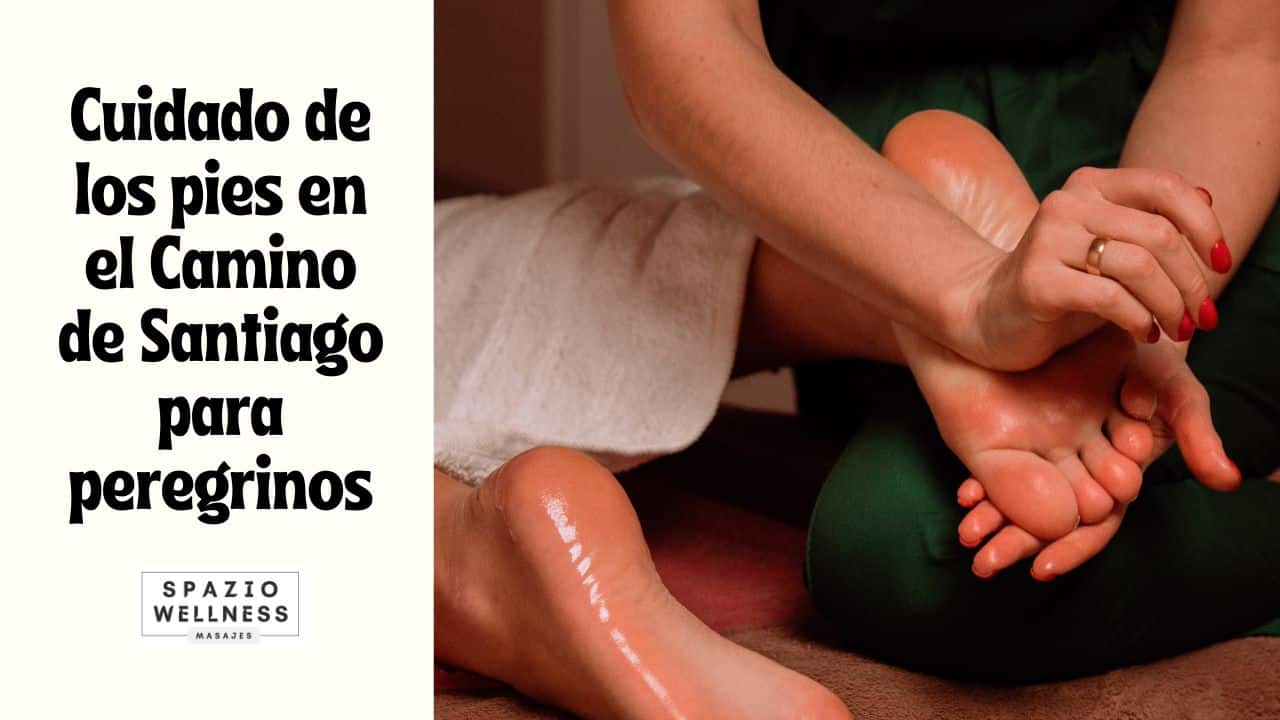
- Massage and moisturizing: Apply a cream specific to feet long hike or simply a moisturizer. Massage gently throughout the entire plant, the heel and toes to reactivate the circulation and relax the muscles.
The fight against friction, blisters
blisters are the most common injury. The key is to act before they form.
- Petroleum jelly/cream: Apply petroleum jelly or creams-anti-friction in sensitive areas (heel, base of the fingers) before starting to walk.
- Stop time: If you feel a spot of warmth or slight discomfort, stop immediately. Remove the sock and apply a dressing (paper surgical tape, bandages, or patches hydrocolloids) in a preventive way. Don’t expect to see the bubble.
If, despite the precautions, a blister, we recommend you not reventarla unless it is very large and painful, and only under sterile conditions. A professional of our team in Santiago de Compostela you can drenarlas safely, minimizing the risk of infection.
Phase 3: identification and treatment of common injuries
The accumulated fatigue and the burden of the backpack can lead to problems beyond the blisters. You are on the lookout for these warning signs.
Pain in the plant: how to help prevent plantar fasciitis in the way
The sharp pain in your heel or the bottom, especially when you get up, is indicative of plantar fasciitis. Is the inflammation of the band that connects the heel with the toes and can be disabling.
Prevention and relief:
- Stretching: Stretching the muscles of the calf (gastrocnemius and soleus) several times a day. The stiffness of these muscles pulls the fascia and inflamed.
- Physical therapy: If the pain persists, you need professional help. In the SPAZIO WELLNESS Santiago we apply techniques of myofascial release and deep massage to reduce tension on the fascia and the tendon of achilles.
- Ice: Apply cold on the sole of the foot at the end of the day helps reduce inflammation.
For more information about this pain, we suggest you check out our article on the prevention and treatment of the most common injuries of the camino de santiago, where we will focus on the treatment of fasciitis and other ailments joint.
The overloaded muscle: gastrocnemius and tibialis
The tibialis anterior muscle and the twins are in charge of cushioning the impact. The overload can manifest as severe pain in the shin or nocturnal leg cramps.
- Massage and stretching: A foot massage in Santiago de Compostela that includes a deep work in the gastrocnemius and the soleus is essential. Manual techniques can release trigger points and contractures that restrict the movement of the foot and the ankle.
- Bathrooms contrast: Dip the feet alternately in hot and cold water at the end of the day. This improves circulation and reduces inflammation.
Your goal deserves to an end without pain,
You have arrived at Santiago de Compostela. Your body has accomplished a feat. Now is the time to take care of it with the same dedication that you put in each stage. A foot massage post-road in our center is the best way to honor the effort of your feet.