The Camino de Santiago is a test of endurance both mentally and physically. While the strength of the spirit drives you to move forward, the energy of your body is what really allows you to scroll through each kilometer. The correct power Camino de Santiago it is not a minor detail, but a fundamental part of the planning that will allow you to fully enjoy the experience. The choice of what, when and how to eat can be the difference between a day of euphoria or a day of fatigue and pain. In this article, we will provide you with the keys to nourish your body intelligently, ensuring that your motor is always at full capacity.
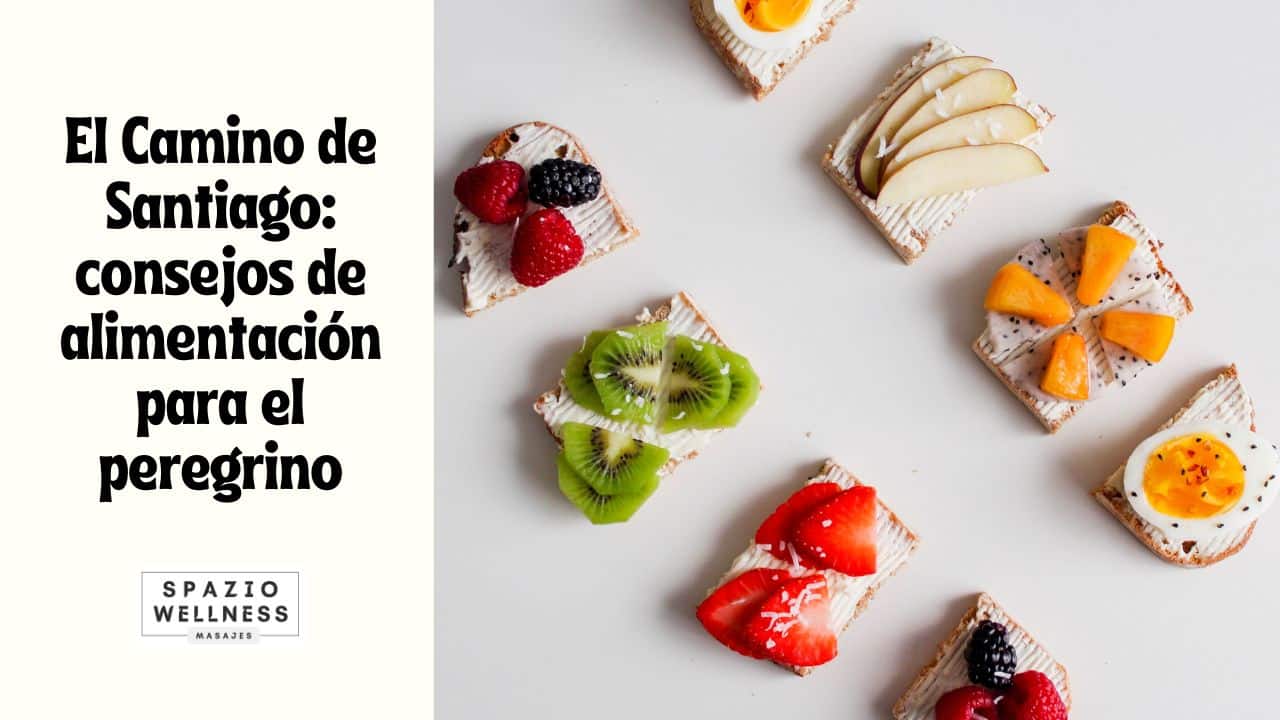
The Camino de Santiago: feeding tips for the pilgrim
Before you begin: prepare your body
The preparation for the Path does not begin in the first stage, but weeks before. Your diet should be rich in nutrients to build the necessary reservations. Includes complex carbohydrates (pasta, brown rice, quinoa), lean proteins, and healthy fats. This will not only give you the initial energy, but it will also strengthen your muscles and joints, something crucial to avoid injury.
During the march: what to eat and when
once you put in place, the strategy of power changes. The goal is to maintain a constant flow of energy and to replenish the nutrients lost.
The breakfast: the basis of day –
breakfast is the most important meal. You must be consistent and rich in carbohydrates slower absorption. Oats, whole wheat bread with honey or jam, and dried fruits are excellent options. Avoid sugary foods that will give you a spike of energy followed by a collapse. A good breakfast will provide you with the fuel needed for the first few hours of hiking.
Snacks: the gasoline in the tank
Bring a snack is vital. Opt for light foods and energy that you can eat on the go. Granola bars, nuts (walnuts, almonds), dark chocolate, and dried fruit are perfect. These small bites will keep your sugar levels stable and avoid the feeling of fatigue. Remember that it is better to eat little and often to wait to be hungry.
The food: energy recharge
The main meal, usually at noon, should be an opportunity to replace what you’ve spent. If you stop in a bar or restaurant, look for dishes that combine carbohydrates and proteins. A serving of pasta, a dish of vegetables, or an omelette with bread are fantastic options. If you prefer to bring your own lunch, a sandwich of tuna or ham and cheese, or even a salad of rice, will keep you satisfied without feeling heavy.
The crucial role of hydration
Dehydration is the enemy silent pilgrim. Don’t wait until you’re thirsty to drink. Always take a bottle of water and drink in small sips regularly. To avoid the loss of electrolytes (especially on hot days), you can add a pinch of sea salt to the water or to drink isotonic drinks. Proper hydration not only prevent cramping and fatigue, but also facilitates the recovery of muscle on the Camino de Santiago at the end of each day.
After the stage: the recovery
Once you’ve reached your destination, the recovery is the priority. Dinner should be a combination of carbohydrates to replenish the glycogen and protein to repair the muscles. A plate of rice and chicken, baked fish or a vegetable soup with an egg are excellent options. Don’t forget to complex carbohydrates, as they are the key to having energy the next day.
If your muscles are especially strained, considered the possibility of giving you a whim. A massage for pilgrims in a center, as the Spazio Wellness in Santiago de Compostela can do wonders. Manual therapy helps to release muscle tension, improves circulation and reduces the risk of injury. A therapeutic massage is the perfect reward for your legs after so many miles. If you want to know more about the importance of muscle recovery, we invite you to read our article “muscle Recovery in the Camino de Santiago: the key to reaching the goal.”
Practical tips and common mistakes to
- Avoid heavy meals: The paella or cooked can be tempting, but a heavy meal before bedtime can hinder the digestion and affect the quality of your sleep, which is essential for muscle recovery on the Camino de Santiago.
- No experience: If you’re not used to eating one type of food, is not the time to try it out. Stay with what you know that feels good to your body.
- Listen to your body: Each pilgrim is different. What works for one may not work for you. Adjust your diet according to your own feelings and needs.
A good power Camino de Santiago it is just as important as the shoes and backpack. Take care of your body from within will provide you with the energy, endurance, and resilience you need to cope with each stage. Remember that the Journey is an experience to enjoy, and the best way to do this is by making sure that your body is prepared for the challenge. And if, in spite of all, you need a little extra help to recover the vitality of your muscles, in Spazio Wellness we are here to help.